Micro-Session Routines: Creative Energy in Fifteen Minutes
Why micro-sessions work
Long studio blocks are not always available. Micro-sessions of fifteen to twenty minutes offer a realistic way to maintain momentum, reduce resistance, and keep skills warm. Short sessions lower the activation energy needed to begin a task and can be stacked to create longer focused periods when time allows.
Designing a fifteen-minute routine
Keep the routine consistent so starting becomes automatic. A simple structure helps you extract meaningful progress even in brief timeframes.
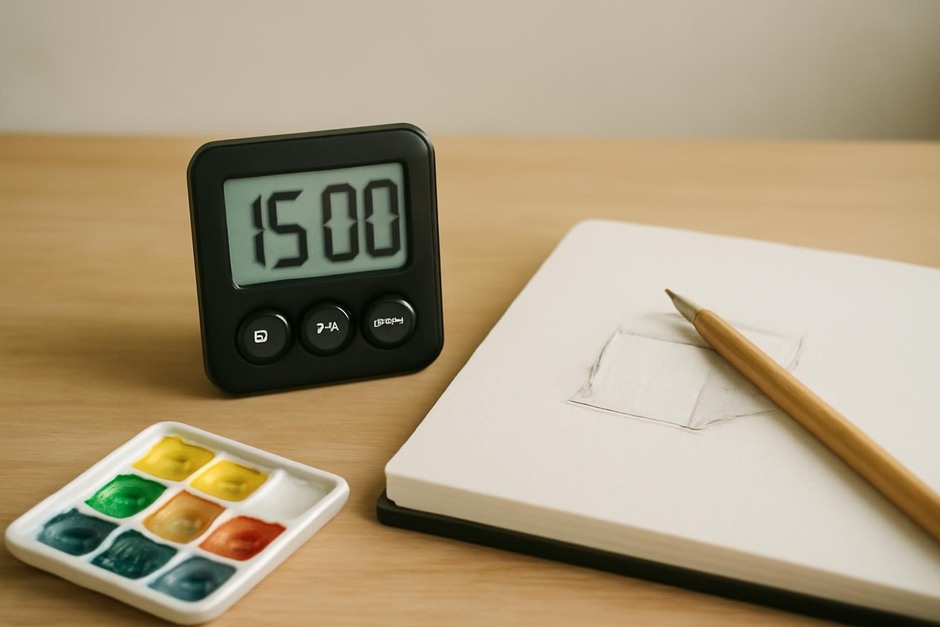
- One-minute setup: clear a small work area, select a single tool and set a timer.
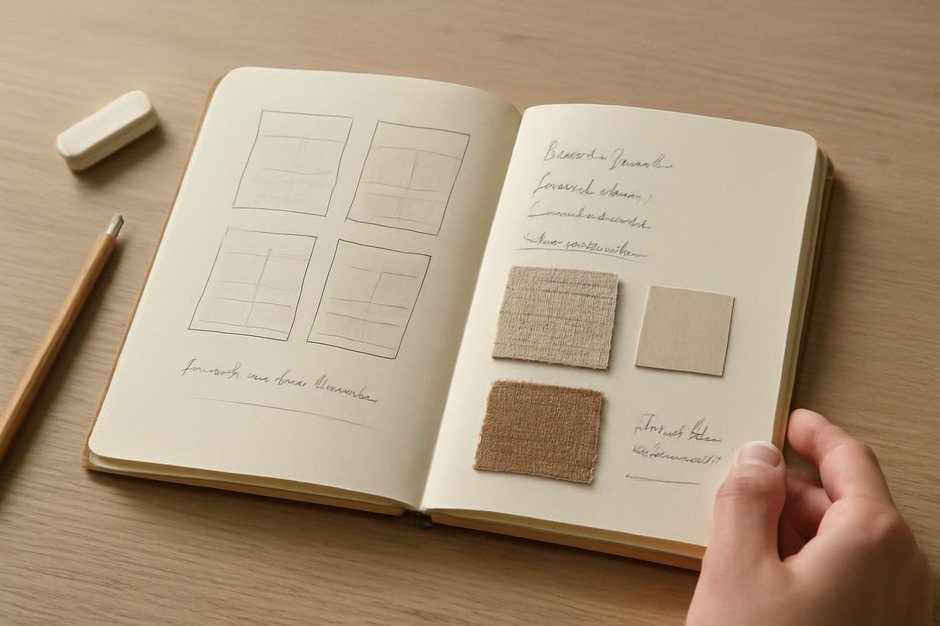
- Ten-minute focused work: choose a single micro-task. This could be a thumbnail sketch, a colour test, mixing a small swatch, or adjusting composition lines.
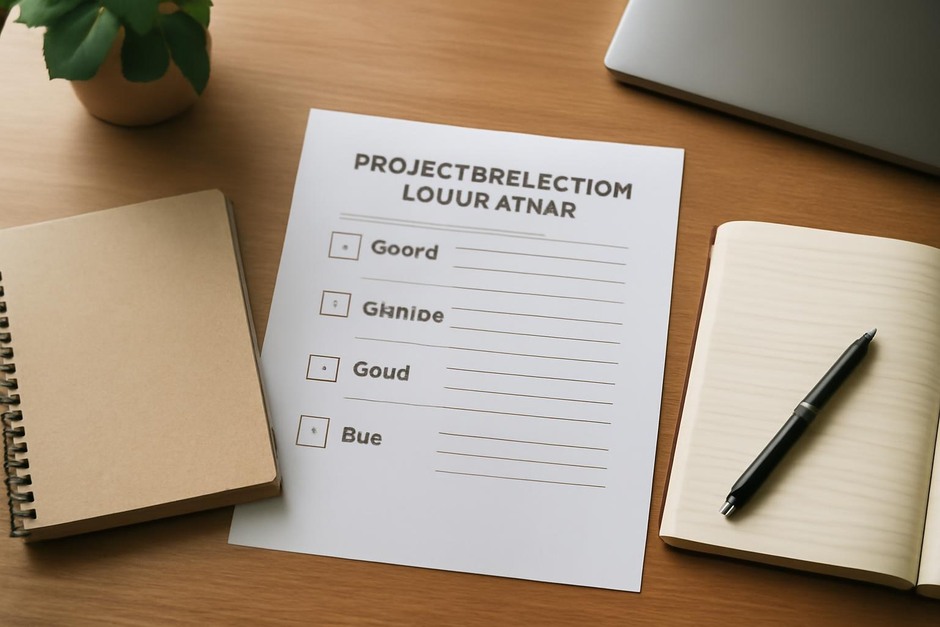
- Three-minute quick note: jot one sentence about what you learned or want to try next.
- One-minute reset: return tools to their spots and wipe the surface.
Warm-up ideas
- Gesture line practice: 30 seconds of fast lines across the page to loosen the hand.
- Value studies: a 2-minute tonal wash to explore contrast.
- Colour patch mixing: create a small palette sample to test relationships.
Stacking micro-sessions
When you have more time, stack micro-sessions into thematic blocks. For example, four back-to-back sessions can be devoted to initial exploration, composition, colour tests and a short reflection. The short breaks between timers help maintain clarity without losing momentum.
Weekly rhythm suggestion
Micro-sessions work best when anchored to routine moments of the week. Try these simple placements:
- Morning session: a 15-minute sketch to orient attention before other tasks.
- Lunch break: a colour test or material exploration to refresh the day.
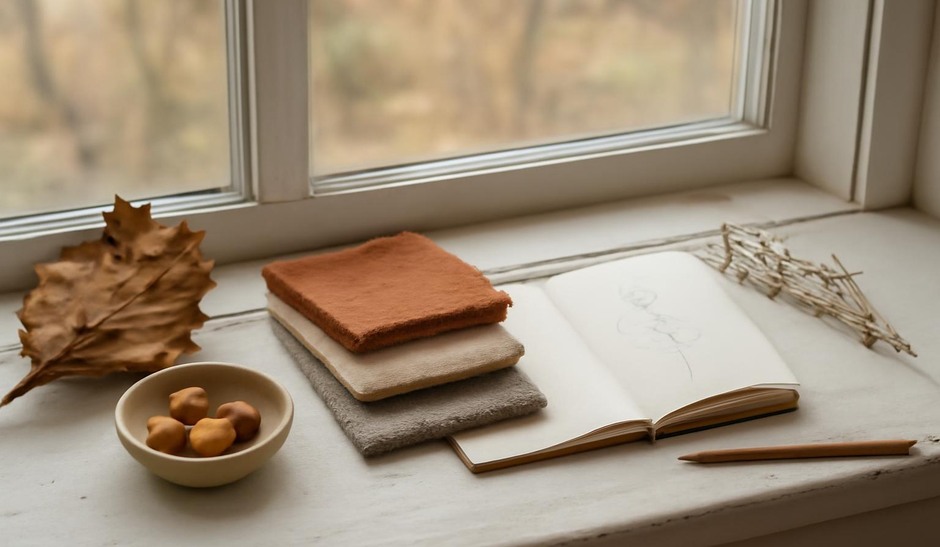
- Evening wind-down: a short reflective sketch in a sketchbook to collect impressions from the day.
Short exercise: the three-day micro-streak
- Pick a small task you can repeat (a five-line composition, a two-tone swatch).
- Commit to one fifteen-minute session in the morning for three consecutive days.
- Record one sentence each day about what changed or what you noticed.
The goal of this exercise is to observe how small, consistent actions change perception and confidence over a short time span. Often the most noticeable change is in the ease of starting rather than the magnitude of output.
Practical adjustments
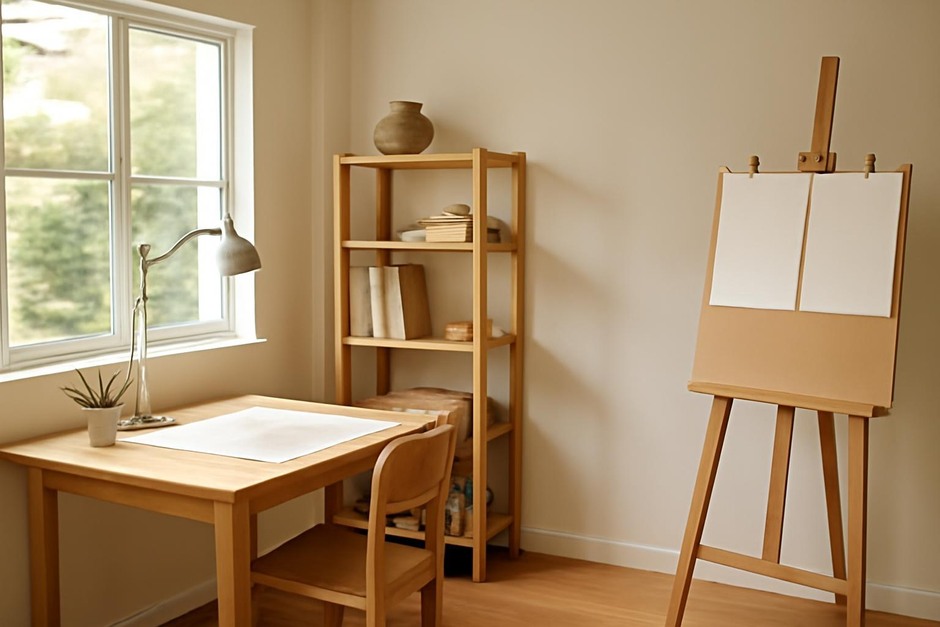
Micro-sessions benefit from a stable setup. Keep a dedicated small tray with common tools, a consistent timer, and a sketchbook reserved for quick work. Over time, these small scaffolds reduce setup friction and make short practice feel natural.