Seasonal Routines for a Low-Impact Creative Practice
Working with seasonal rhythms
Seasons affect light, humidity, and daily energy. Designing seasonal routines encourages adaptation rather than resistance. Aligning simple studio tasks with seasonal changes can reduce material waste and support a steadier creative output across the year.
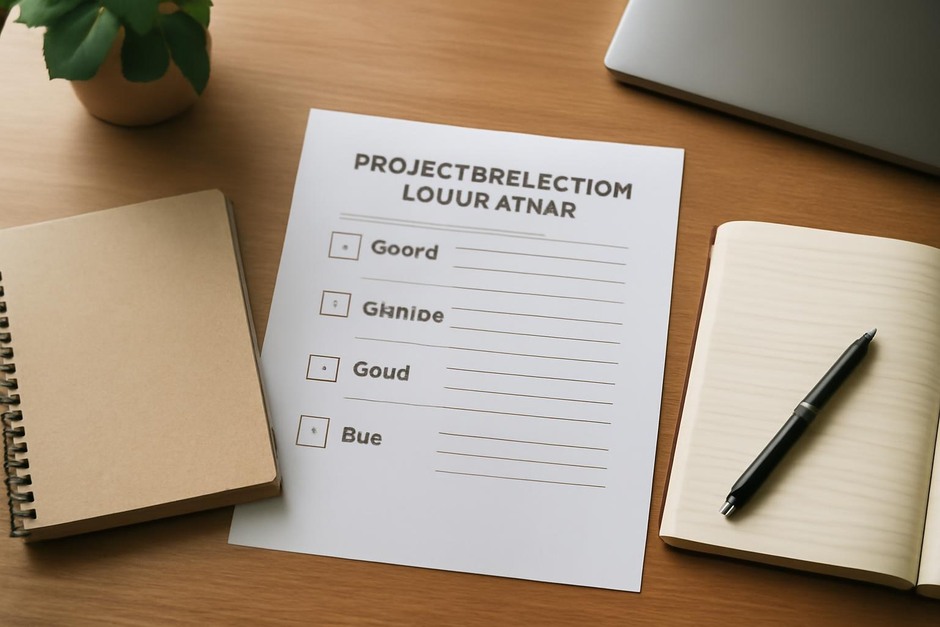
Seasonal checklist (four items each)
Use this checklist at the start of each season to make small adjustments that have cumulative benefits.
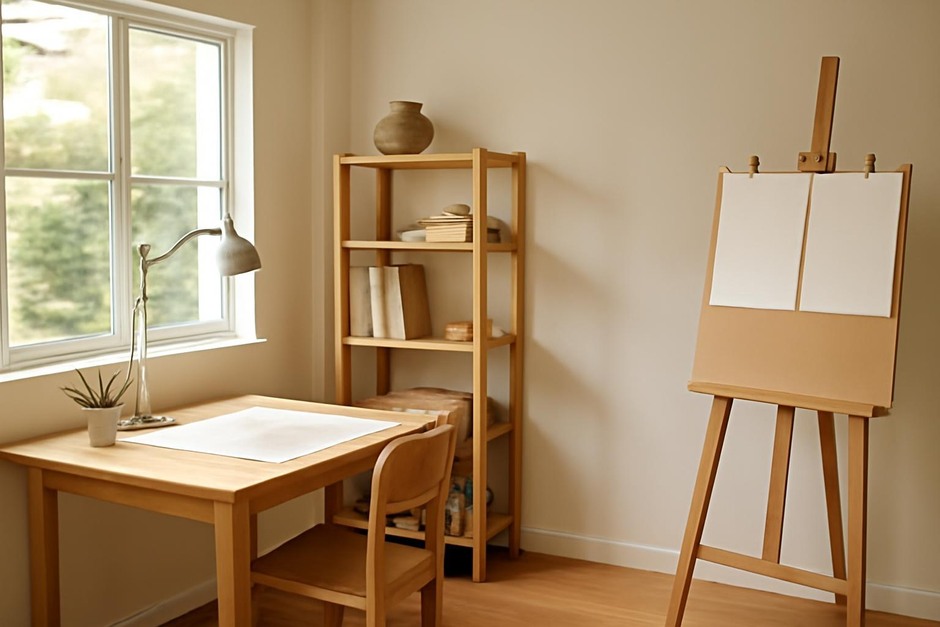
- Light and position: adjust table placement and curtain strategies to capture best light for the season.
- Material care: inspect paints, varnishes and adhesives for storage needs related to temperature and humidity.
- Energy rhythm: note whether mornings or evenings feel more productive and schedule core tasks accordingly.
- Waste plan: identify materials likely to expire or degrade and set a plan to use, recycle or repurpose them.
Seasonal small projects
Short, seasonally tuned projects keep momentum without overcommitting resources.
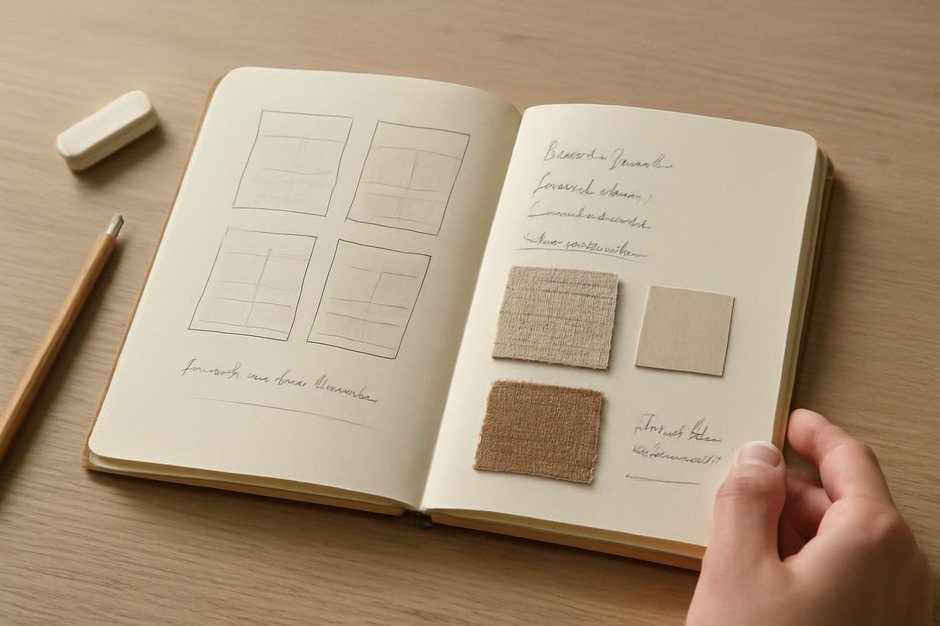
- Spring: swatch and seedling project: test new pigments and create small colour cards; pair making with outdoor sketches of early growth.
- Summer: drying and documentation: focus on works that need quick drying and document pieces with photographs during long daylight hours.
- Autumn: repair and consolidation: mend tools, repackage pigments and consolidate partial tubes into labeled palettes.
- Winter: material experiments: try small indoor experiments with limited light sources and slower drying mediums.
Two practical habits
Two modest habits help seasonal routines remain manageable.
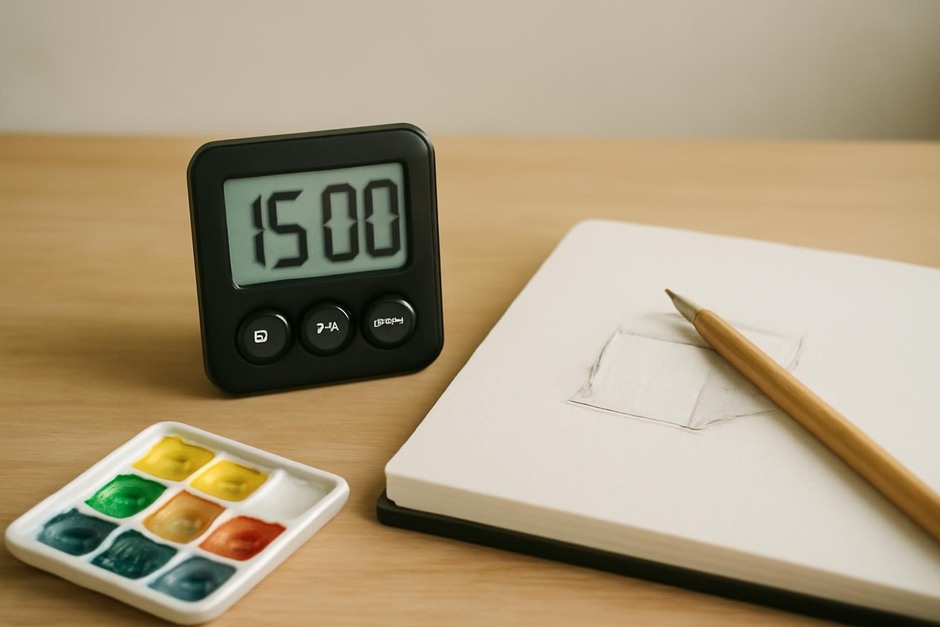
- Quarter-hour seasonal setup: at the start of each season, spend 15 minutes moving or rearranging a work surface to optimize for new light and temperature. This small investment saves friction later.
- Monthly material check: a brief check for humidity-sensitive items and a plan to use them before they degrade.
Short exercise: seasonal swap
Choose one tool or material you use year-round and adapt it for a seasonal project. For example, move an outdoor sketching tool inside during winter and use it to create a series of small indoor studies. The aim is to see how a familiar tool behaves under different conditions and to harvest small insights about your process.
Benefits of seasonal practice
Seasonal routines encourage intentional adjustments rather than ad-hoc reactions. Small, scheduled checks prevent waste, protect materials and support a creative tempo that respects environmental conditions. Over time these modest rituals create a sustainable studio habit that is gentle on materials and on attention.