Modular Storage Systems for Sustainable Materials
The case for modular, sustainable storage
Storage can be both functional and economical. Modular systems let you adapt as needs change, reduce the impulse to buy single-use containers, and encourage care of materials through visibility. The ideal storage approach protects fragile or perishable supplies while keeping the items you use most in clear view.
Core ideas
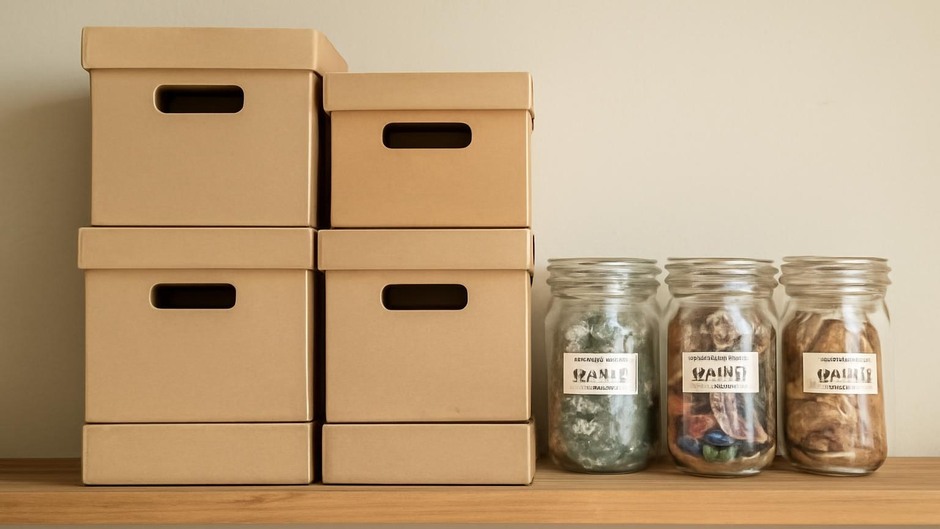
- Reuse and repurpose: glass jars, metal tins and sturdy boxes often work better than new disposable containers. They are durable and easier to clean.
- Modularity: choose storage that stacks or links so you can reconfigure as projects shift.
- Inventory awareness: small, regular checks prevent overbuying and reduce waste.
Three modest systems to try
Each system is adaptable to small spaces and intended to use existing resources where possible.
- Open-shelf modular grid: use a cube shelving unit and assign each cube to a category: pigments, papers, tools, and drying. Keep frequently used items at waist to eye level.
- Lidded trays on a trolley: shallow trays hold wet-in-progress pieces or mixed media layers. Trays slide into a narrow trolley that can move between zones.
- Magnetic wall strips and jars: metal strips near a bench hold small metal tins or magnetic jars for screws, clips or small pigments. This makes use of vertical space and keeps the bench clear.
Inventory habit: the ten-item check
Once a week, run a short inventory to keep materials under control. Select a category and list ten items you use regularly. For each item note:
- Approximate quantity on hand
- How often it is used
- Whether repackaging or repair is needed
This short habit helps you notice slow-moving supplies and decide whether to consolidate, repair, or repurpose items instead of replacing them.
Labeling and gentle systems
Labels should be clear but unobtrusive. Use masking tape and a consistent shorthand, or a small printed label for permanence. Keep a small repair kit—tape, glue, a few spare lids—near storage so small container repairs are fast and do not lead to discarding the whole unit.
Short exercise: one-hour storage audit
- Set a timer for sixty minutes and choose one storage area.
- Remove items and group them into keep, repair/repackage, and donate/recycle piles.
- Reassemble the storage using modular containers and label them.
- Note any items you no longer need and assign a plan: reuse in a different space, repair, or responsibly recycle.
Long-term benefits
Modular systems reduce clutter, save money over time, and support materials lasting longer. The small weekly habit of reviewing ten items scales into a sustainable rhythm that reduces waste and makes creative work smoother. The key is modest, repeatable actions rather than occasional large purges.