Using the Sketchbook as a Project Journal
The sketchbook as a living project record
A sketchbook is more than a place for sketches; it can be a lightweight project journal that records decisions, tests and small reflections. When used intentionally, it provides a timeline of development and a practical resource for future work.
Page structure that helps
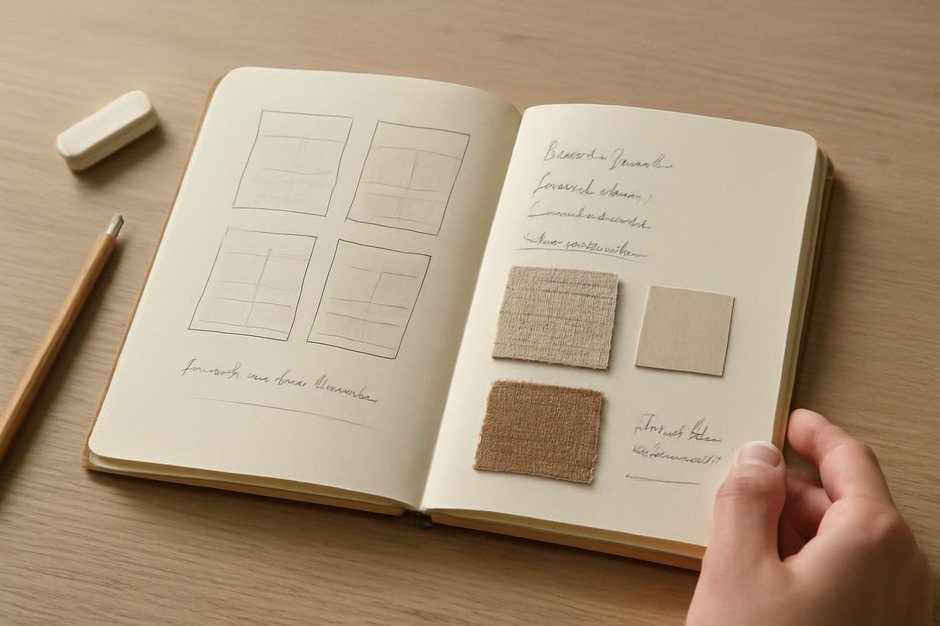
Use a simple, repeatable page layout so entries are readable later. A consistent structure reduces time spent deciding how to record material and increases the value of entries.
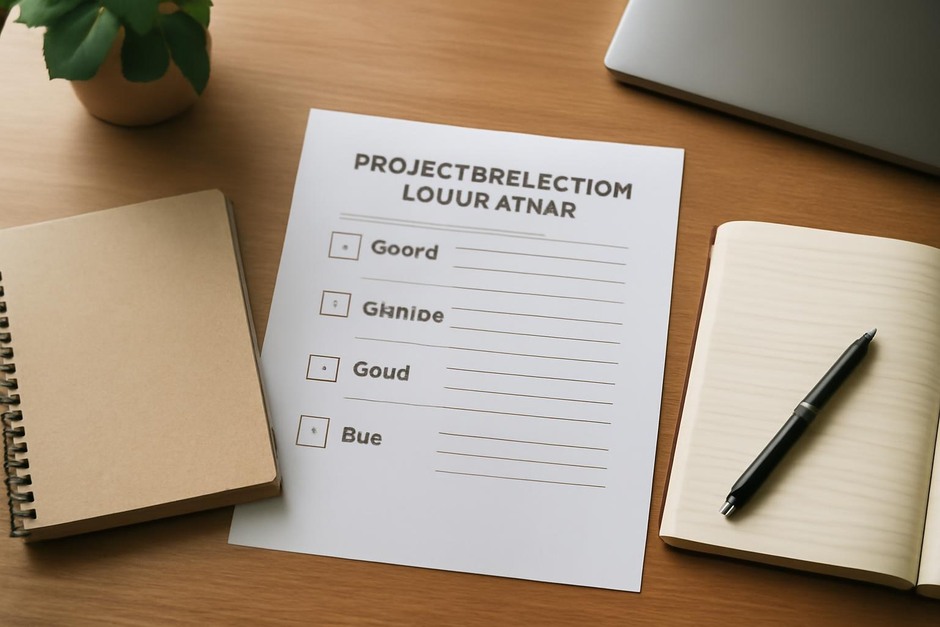
- Header: date, project name, and a one-line intention.
- Thumbnails: two to four small sketches or composition ideas.
- Material notes: short lists of pigments, papers, or adhesives used and any ratios or observations.
- Reflection: one to three short sentences about what worked and what to try next.
Useful prompts
Prompts help keep reflection concise and focused:
- What is the simplest change I can make tomorrow?
- Which material behaved differently than expected?
- What aspect of the composition feels unresolved?
Practical examples
Here are three brief examples of how entries might look in use.
- Early exploration: several tiny thumbnails, quick colour patch, note about an unexpected glaze effect.
- Mid-project test: swatch of mixed pigment with drying time noted, list of tools, and a sentence: "Increase mid-tone contrast on left side."
- Completion note: photograph reference code, final dimensions, and a two-line reflection about lessons learned and possible next steps.
Exercise: three-entry sequence
- Start a new sketchbook page with the header and one-line intention.
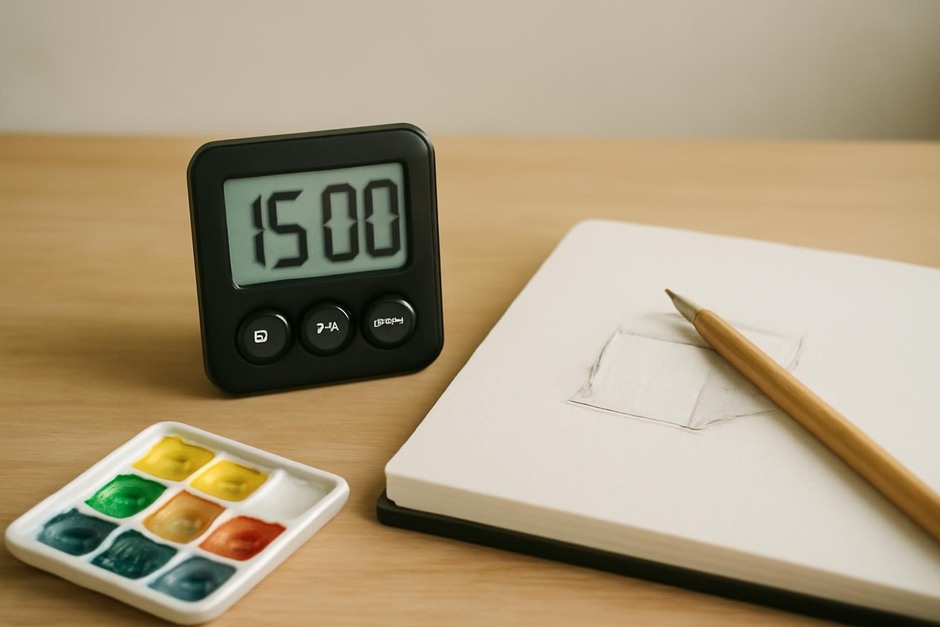
- Do a short thumbnail study and a material swatch in a fifteen-minute micro-session.
- At completion of the project, write a short reflection on a new page that references the original entry. Note one change to try next time.
How the journal improves decisions
Keeping decisions in the sketchbook reduces repeated experimentation and reveals patterns over time. When the same observation appears in multiple entries, it signals an area ripe for deeper study or a permanent adjustment in your process.
Simple archival habit
At project close, mark the sketchbook page with a small sticker or a coloured corner so you can find it quickly later. Over time these marked pages build a library of project instincts that inform future work without requiring exhaustive documentation.