Project Reflection Framework: Simple Steps After Completion
Why reflect after a project
Reflection turns the experience of finishing a project into useful learning. A short, consistent review prevents lessons from fading and informs better decisions in future work. The aim is not to judge harshly but to gather clear signals about what mattered in the process.
A four-step framework
Use these four steps as a lightweight ritual to close a project. Each step takes between five and twenty minutes, depending on how deep you want to go.
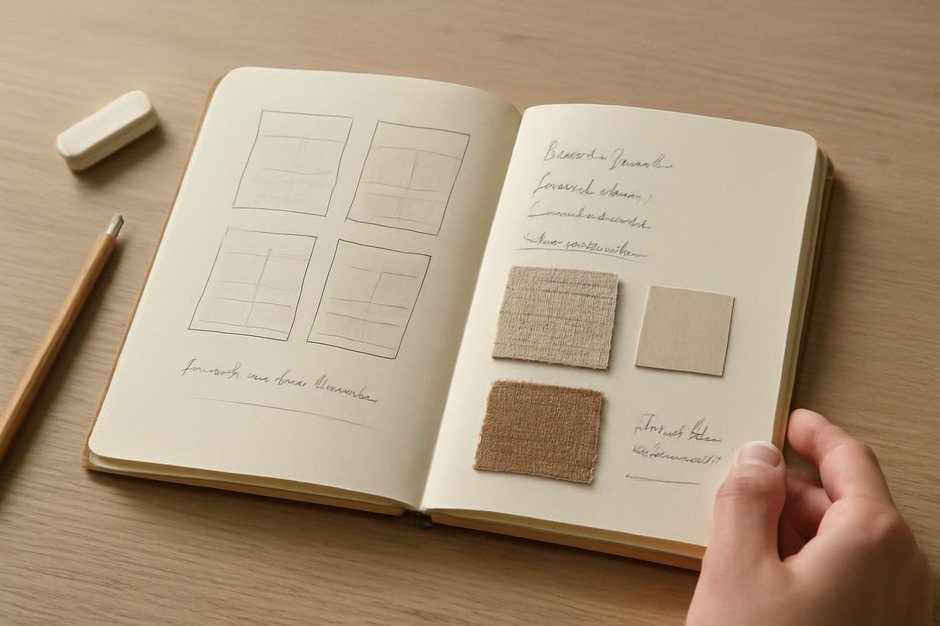
- Record: document essential facts: title, date, dimensions, materials and a photograph. Keep this record in a project folder or your sketchbook.
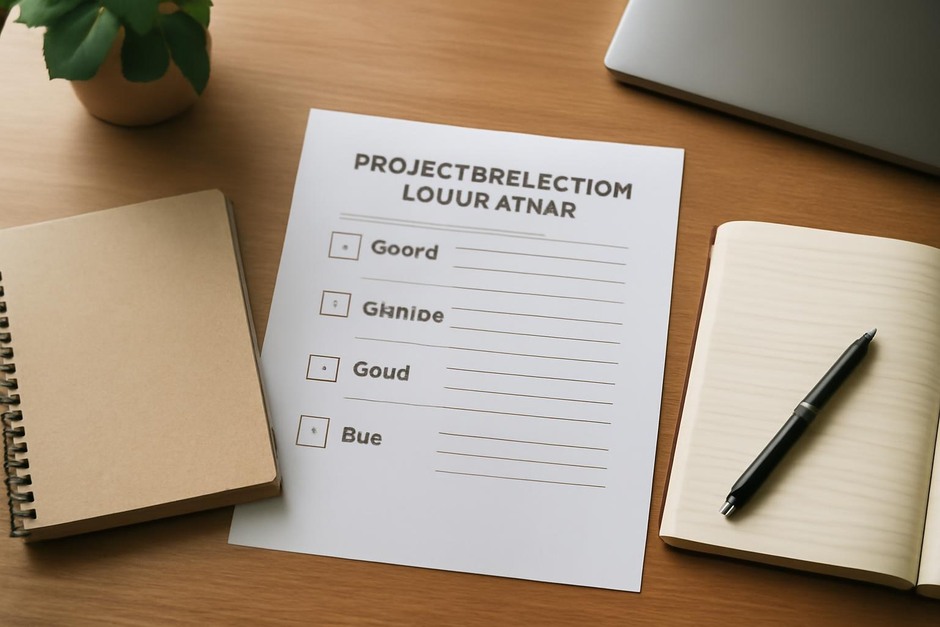
- Evaluate: list three things that worked and three challenges you faced. Be specific and factual rather than global in judgment.
- Distill: turn each challenge into one actionable insight. For example, "paint dried too slowly" becomes "test faster-drying medium ratios next time".
- Plan: decide one small experiment or habit to carry into your next project based on the distilled insights.
Practical prompts for evaluation
- How well did the materials behave relative to expectations?
- Where did workflow slow or stall?
- Which choices contributed most to the finished effect?
A short exercise to practice the framework
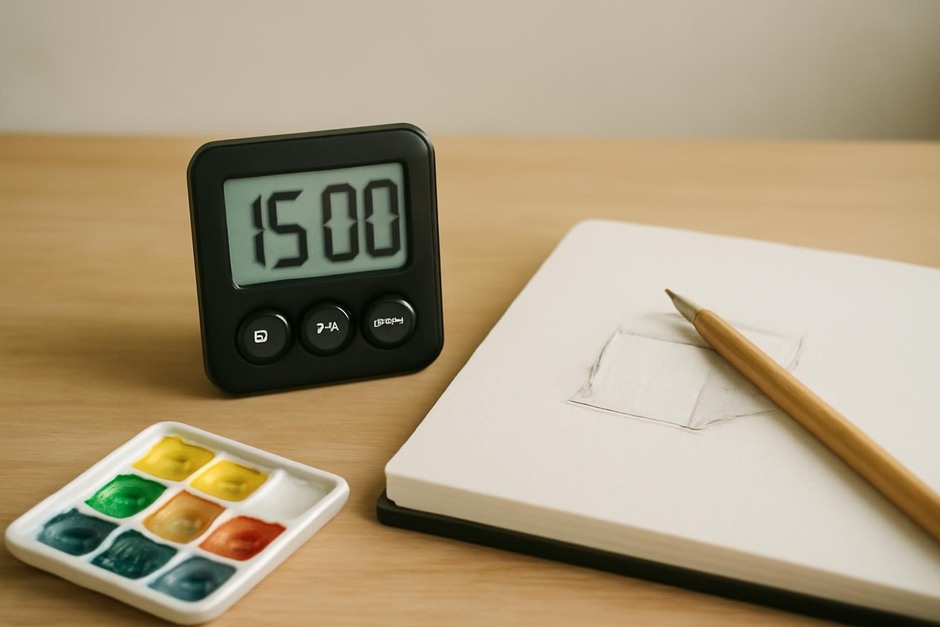
- Choose a recently completed piece and set aside 30 minutes.
- Complete the four steps in sequence. Photograph the piece, note three successes and three challenges, distill each challenge into an actionable insight, and choose one experiment for your next project.
- Write a two-line plan that you can paste into the header of your next project page or sketchbook entry.
How small plans compound
Small experiments and habit changes compound over time. Selecting one focused experiment from the distillation step keeps future projects manageable and provides a clear measure for comparison. Over several projects these small changes refine materials handling, composition choices and time management in ways that are practical and sustainable.
Closing ritual
Finish the reflection with a brief ritual that signals completion: an image added to a project folder, a date stamped in the sketchbook, or a tidy of the primary work area. This closure respects the work and makes it easier to begin the next project with a clear head.